By Real Community
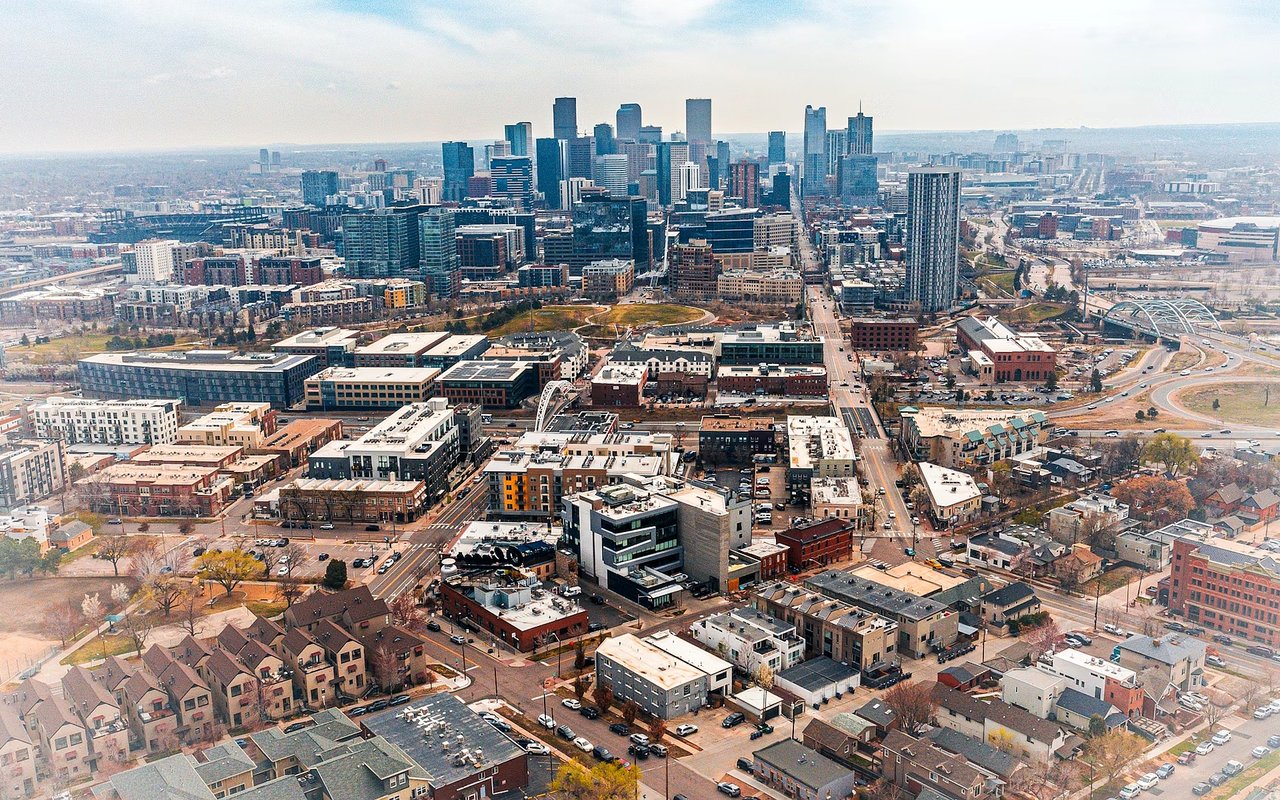
Denver runs on a city-scale mix of parks, cultural institutions, sports venues, mountain views, and major transportation corridors that shape everyday life in practical ways. Union Station, Civic Center, the Cherry Creek Trail, Red Rocks access routes, and an active calendar of concerts, markets, and professional sports all contribute to the city’s rhythm.
This guide focuses on the broader experience of the city itself and the features that define life here from season to season.
Key Takeaways
-
Outdoor access: Denver’s parks, trails, and open spaces shape the city’s daily rhythm in a very visible way.
-
Culture: Museums, performance venues, sports, and public events give Denver strong year-round energy.
-
Getting around: Union Station, major highways, and Denver International Airport make local and regional access easier.
-
The setting: Mountain views, dry climate, and four-season recreation help define living in Denver CO.
Denver’s Outdoor Framework Shapes Everyday Life
The city’s network of parks, trails, and open-air gathering spaces gives daily life a sense of movement that feels tied directly to the Front Range setting.
Outdoor features that define the city
-
Washington Park: A major destination for walking loops, tennis courts, and open green space.
-
City Park: A large central park that combines skyline views, lakes, and access to major attractions.
-
Cherry Creek Trail: A practical route for biking, jogging, and moving across the city.
-
Sloan’s Lake: A strong option for water views, long paths, and sunset-facing open space.
These places make outdoor time easy to build into the week without much planning.
The City’s Cultural Core Adds Depth to Daily Routines
Denver offers a strong cultural mix through museums, performance venues, civic spaces, and annual events that give the city a more layered feel than a simple outdoors-only reputation suggests.
Cultural anchors worth knowing
-
Denver Art Museum: A major institution with an architectural presence that stands out immediately.
-
Civic Center: A public gathering space tied to events, festivals, and major city landmarks.
-
Denver Center for the Performing Arts: A major hub for theater and live performance.
-
Colorado State Capitol area: A civic and visual landmark that helps define the center of the city.
The downtown and central districts bring together institutions that support everything from visual art and live music to history, design, and large public gatherings.
Sports and Entertainment Give Denver a Strong Rhythm
One of the easiest ways to understand Denver is through its event energy, because professional sports and major entertainment venues create a steady calendar across the year.
Sports and entertainment landmarks that stand out
-
Coors Field: A downtown baseball anchor that keeps LoDo active through the season.
-
Ball Arena: A major venue for basketball, hockey, concerts, and large city events.
-
Empower Field at Mile High: A defining feature of the city’s sports identity and western skyline.
-
Red Rocks access: An easy point of connection between city life and one of the region’s most iconic venues.
The city’s stadiums and arenas shape traffic patterns, gathering spots, and social routines in a way that gives Denver a very recognizable pulse.
Denver Makes Regional Access Remarkably Easy
Major boulevards, interstate routes, light rail, Union Station, and Denver International Airport all make movement through the city and beyond feel unusually straightforward for a large metro area.
Access points that shape the Denver experience
-
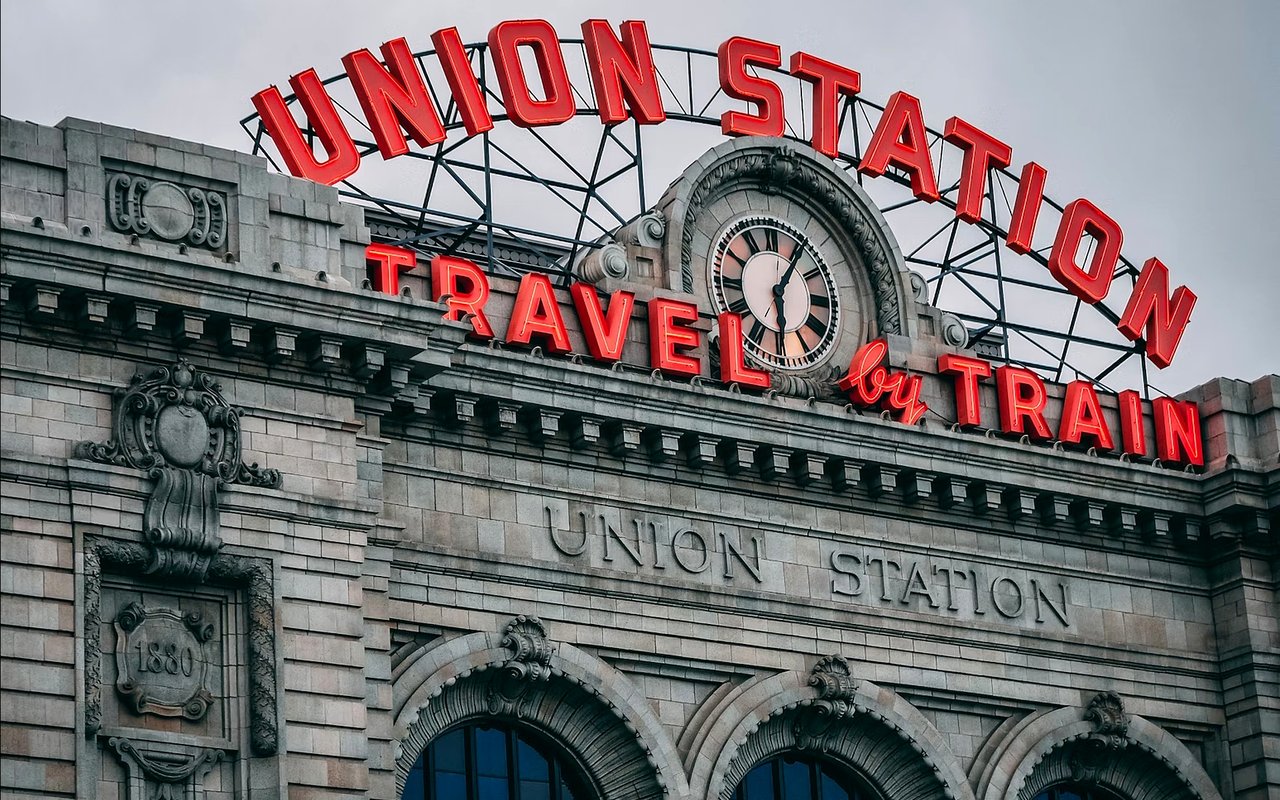
Union Station: A central transportation and gathering hub with rail connections and strong design appeal.
-
Denver International Airport: A major gateway that supports business travel, weekend trips, and national access.
-
I-25 and I-70: Core routes that connect downtown, the metro area, and mountain travel.
-
RTD light rail and bus network: Useful public transportation links across many parts of the city.
Denver works well for people who want a city with strong internal convenience and equally strong regional access.
Food, Coffee, and Local Business Culture Keep the City Personal
Denver’s city identity is strengthened by the way local businesses, restaurant districts, coffee shops, and markets shape everyday habits.
Everyday city features that create local character
-
Union Station dining and coffee: A polished central stop for meetings, meals, and city movement.
-
Larimer Square area: A long-standing dining and entertainment destination with strong historic character.
-
Denver Central Market: A food hall format that reflects the city’s casual and social dining style.
-
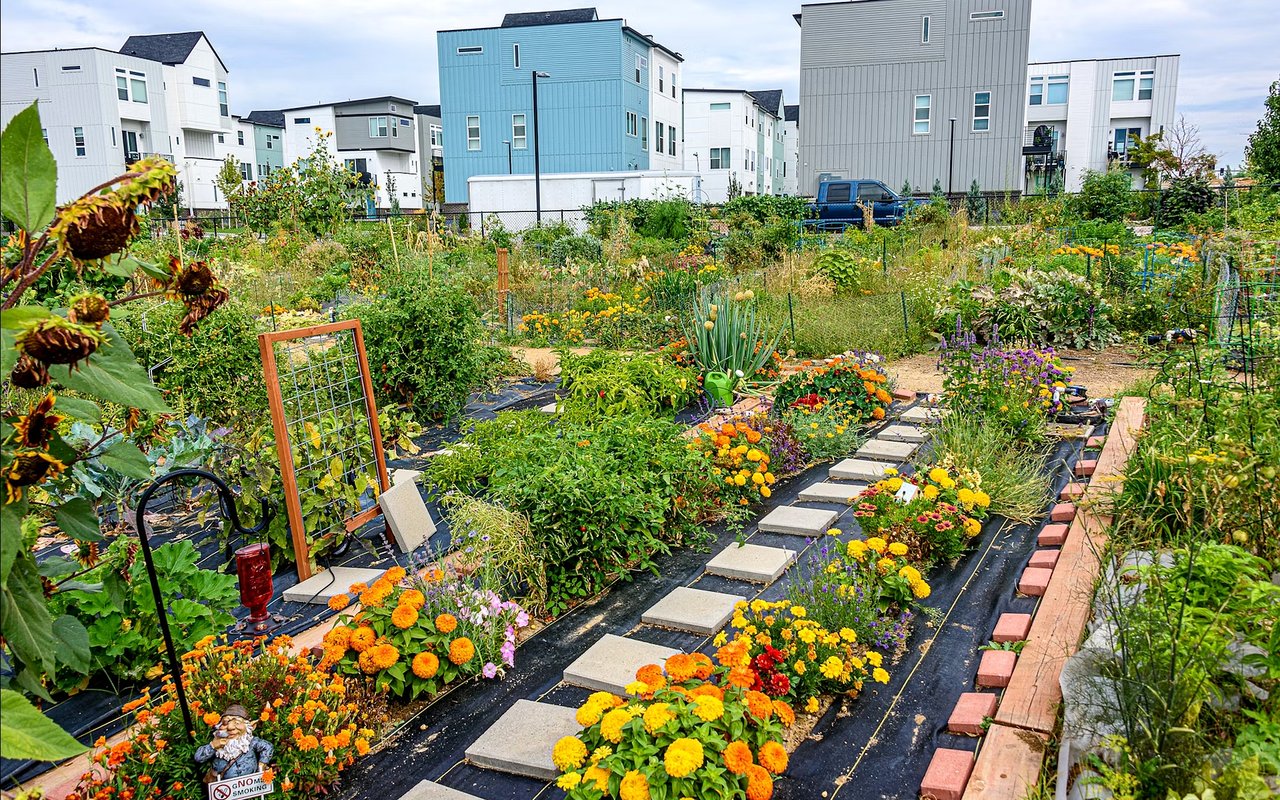
Seasonal farmers markets: Regular city events that bring local food and small business culture into the week.
We think the strongest city experiences usually come from this mix of local business culture, walkable activity, and places that are easy to return to again and again.
The Climate and Setting Create a Distinct Sense of Place
Denver’s physical setting changes the feel of the city in ways that are immediately visible, from long views west to bright winter afternoons and dry, sunny days across much of the year.
Natural features that shape the city’s identity
-
Front Range backdrop: Mountain views that influence the visual character of the city.
-
Four-season pace: A calendar shaped by snow, sun, patio weather, and changing recreation patterns.
-
High-altitude light: A brighter, sharper quality of daylight across the city.
-
Easy mountain routes: Quick access to weekend drives, ski corridors, and foothill destinations.
Altitude, mountain access, and wide skies all contribute to a daily atmosphere that feels specific to Denver and hard to confuse with another major city.
FAQs
What stands out most about Denver as a city?
Denver stands out for its combination of outdoor access, major cultural institutions, professional sports, and easy regional connectivity.
Is Denver more about outdoor living or city amenities?
Denver supports both in a very balanced way. Parks, trails, music venues, museums, and major dining districts all contribute to the city’s identity at the same time.
What makes Denver easy to live in day to day?
Strong transportation routes, large public spaces, a steady event calendar, and easy access to local businesses all make the city feel usable and engaging.
Contact Real Community Today
We understand how parks, transit, cultural institutions, sports venues, major corridors, and mountain access all influence the experience of living here long after the move itself is complete.
Reach out to us at Real Community, and we will help you evaluate living in Denver CO through the lens of the city’s features, daily routines, and the broader qualities that make Denver such a compelling place to call home.
Reach out to us at Real Community, and we will help you evaluate living in Denver CO through the lens of the city’s features, daily routines, and the broader qualities that make Denver such a compelling place to call home.