By Real Community
In Denver, home inspections often reveal issues tied to the city’s climate, elevation, and mix of older housing stock and newer infill construction. We prepare for that reality by treating the inspection as a working review of the home’s systems, structure, and long-term upkeep.
This guide explains how the process usually unfolds in Denver and how to read the results with more confidence.
Key Takeaways
-
Inspection scope: Denver inspections often focus closely on roofs, basements, drainage, and major systems.
-
Housing type: Older homes, renovated properties, and newer builds each raise different questions.
-
Reports need context: The most useful reading of an inspection separates routine maintenance from more meaningful concerns.
-
Local guidance helps: Denver-specific conditions often influence how findings should be prioritized and discussed.
The Inspection Usually Starts With the Big Systems
The first part of the inspection usually centers on the house as a working structure rather than as a finished product.
The systems that get the closest attention
-
Roofing: Inspectors often review shingles, flashing, vents, and drainage patterns.
-
HVAC: Furnaces, air conditioning units, ductwork, and filter access usually get a careful review.
-
Electrical: Panels, visible wiring, outlets, and grounding are common points of focus.
-
Plumbing: Water heaters, shutoff access, visible supply lines, and drainage fixtures are usually checked.
We like to frame the day around the systems that keep the home operating, because those are the items that most directly shape future ownership and upkeep.
Denver Homes Often Raise Roof and Drainage Questions
Denver’s sun, snow, hail, and freeze-thaw cycles can put visible stress on roofing materials and exterior water management.
Exterior items that often deserve extra review
-
Gutters and downspouts: Water flow and discharge locations can affect the house more than many people expect.
-
Roof condition: Granule wear, patching, exposed fasteners, and flashing details can shape the overall picture.
-
Grading: Soil slope near the foundation often matters in older and newer Denver homes alike.
-
Siding and trim: Paint wear, material gaps, and exposed wood can point to ongoing upkeep needs.
These findings are especially important in Denver because weather exposure tends to be a constant part of ownership.
Basements, Crawlspaces, and Foundations Deserve Careful Attention
Many Denver homes include basements or lower-level spaces that play an important role in storage, a living area, or mechanical access.
Lower-level details that inspectors usually flag
-
Foundation cracks: Size, direction, and visible movement all help shape the conversation.
-
Moisture signs: Efflorescence, staining, and musty air can add important context.
-
Sump or drainage setup: Pump systems and water-control measures can affect how secure the space feels.
-
Insulation and ventilation: Unfinished areas often reveal how well the home has been maintained below grade.
This part of the inspection can be especially revealing in neighborhoods with older housing stock, like Park Hill, Congress Park, and parts of Washington Park.
Older Denver Homes and Renovated Homes Need Different Questions
Denver has a wide mix of historic homes, updated bungalows, mid-century properties, and new infill construction, and each one comes with a different inspection lens.
Home types that call for different priorities
-
Historic homes: Original materials, older framing, and legacy systems may need extra interpretation.
-
Renovated properties: Finish quality and visible updates should be compared with the work behind the walls.
-
Newer infill homes: Drainage, installation quality, and fit-and-finish consistency often deserve close review.
-
Mid-century homes: Roofing, windows, sewer lines, and mechanical updates often matter a great deal.
We think the best approach is to match expectations to the age and style of the house so the review feels more precise and more useful.
The Report Usually Includes Many Small Items Along With Larger Findings
A home inspection report often looks long because it records both routine maintenance items and more meaningful concerns in the same document.
The findings we usually sort first
-
Routine upkeep: Caulking, loose hardware, weatherstripping, and minor finish repairs often fall here.
-
System service items: Furnace maintenance, water heater evaluation, or gutter cleaning may call for follow-up.
-
Functional concerns: Doors, windows, appliances, or outlets may need repair or closer review.
-
Larger questions: Structural movement, moisture patterns, or major system issues usually rise to the top quickly.
This step gives the conversation a better rhythm, since not every item carries the same practical weight.
The Best Inspection Outcome Is a Clearer Understanding of the Home
The goal of the inspection is to understand the property more fully, with better insight into condition, maintenance, and likely future needs.
What we want the inspection to provide
-
Condition context: A clearer picture of how the home has been maintained over time.
-
Priority levels: Better distinction between immediate concerns and routine upkeep.
-
Ownership planning: A more realistic view of future service and repair items.
-
Negotiation clarity: A stronger basis for thoughtful conversation after the report arrives.
This shows why what to expect from a home inspection in Denver is really about understanding the house more completely and locally.
FAQs
How long does a Denver home inspection usually take?
The timing depends on the size, age, and complexity of the property, though many inspections take several hours. Larger homes, older homes, and properties with additional structures can extend that timeline.
Should we attend the inspection in person?
We usually recommend being present for at least part of the inspection when possible. That makes it easier to hear the main points directly and ask clearer follow-up questions about the house.
Why do Denver inspections focus so much on roofs and drainage?
Denver weather puts steady pressure on exterior materials through snow, hail, sun exposure, and seasonal runoff. Roof condition and water control often tell an important story about maintenance and long-term performance.
Contact Real Community Today
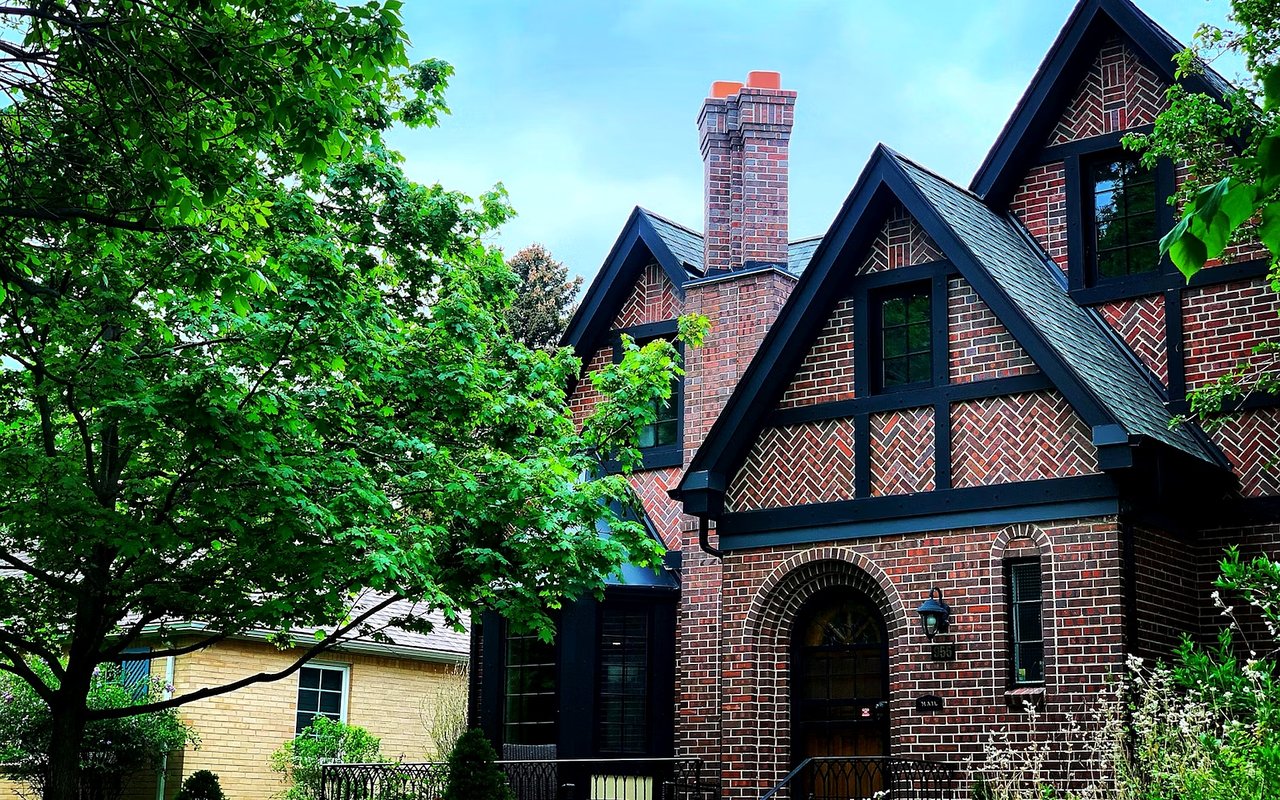
If you are preparing to buy in Denver, reach out to us at Real Community for guidance that reflects the city’s housing mix and climate-specific inspection issues. We understand how a bungalow near South Pearl, a newer home in LoHi, or a brick Tudor in Park Hill can each raise different questions once the inspection starts.